

The Real Natural Alternative to Ozempic
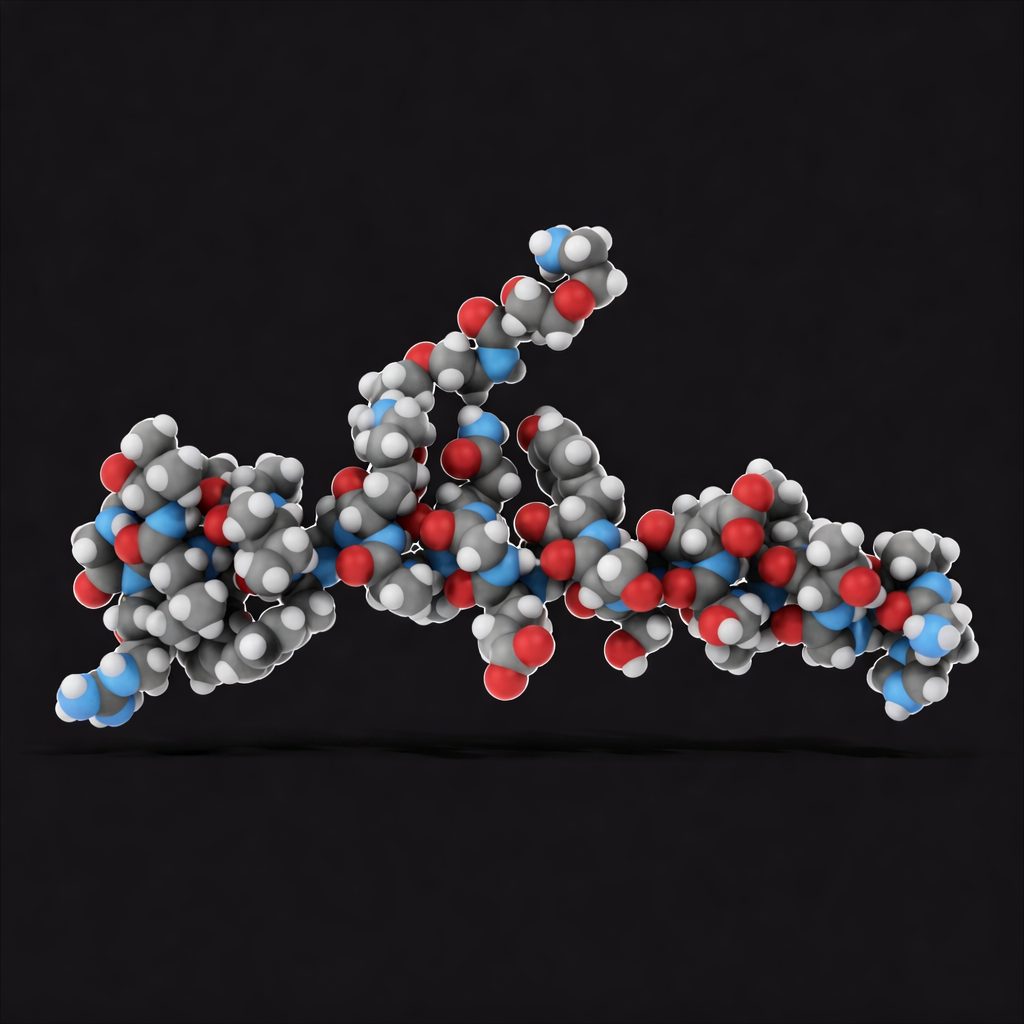
Every day there’s a new “natural Ozempic” trending on TikTok and social media. Eat eggs, drink a rice‑based concoction, take berberine pills, sip a strange fiber drink, do some viral exercise. These so‑called natural alternatives spread fast because they’re easy to copy and promise simple results. Actually losing weight and quieting the constant “food noise”? Much harder. Most diet trends, even fake natural Ozempics, are gimmicks and hacks. They generally don’t work, and when they do produce any change, the results are temporary and the weight almost always comes right back. To understand why this keeps happening, you have to understand how Ozempic actually works.
How GLP‑1 Drugs Work
Drugs like Ozempic belong to a class called GLP‑1 receptor agonists. GLP‑1 stands for glucagon‑like peptide‑1, a hormone that your body naturally releases in response to food. When you eat, GLP‑1 is secreted from the gut into the bloodstream, signaling both the digestive system and the brain that nutrients are being absorbed. One of the most important effects of GLP‑1 is that it slows gastric emptying, meaning food remains in your stomach longer. This delay allows your body to feel physically full for an extended period, which helps reduce overall food intake without requiring conscious effort or extreme restraint.
GLP‑1 also acts directly on the brain, influencing appetite centers and neural pathways that govern reward and motivation. By modulating these circuits, it reduces hunger and cravings, particularly for highly processed or calorie-dense foods that often trigger overeating. At the same time, GLP‑1 supports stable blood sugar levels by promoting appropriate insulin release and limiting sudden spikes or drops. These steady glucose levels prevent the intense hunger and sugar cravings that often sabotage diets.
The combination of slower digestion, reduced appetite, and better blood sugar control changes the way your body and brain experience food. Rather than relying on willpower alone or trying to “boost metabolism” artificially, GLP‑1 receptor agonists fundamentally alter hunger signals, helping people naturally feel satisfied with smaller meals. Over time, this coordinated effect can lead to sustained reductions in calorie intake and support meaningful weight loss while keeping cravings and food-related mental noise under control.
Why Fake “Natural Ozempic” Alternatives Don’t Work
Most viral “natural Ozempic” trends claim that a single food, drink, or supplement can somehow mimic the complex hormone system that GLP‑1 drugs target. In reality, they cannot. Berberine, which is often marketed as “nature’s Ozempic,” does show some modest benefits for blood sugar regulation, but it does not replicate GLP‑1 signaling in the gut or brain and does not reliably reduce appetite or prolong the feeling of fullness. Similarly, rice‑based drinks, like those popularized in the “Ricezempic” trend, are touted as appetite suppressants, but they do not meaningfully influence the neural circuits that control hunger or alter how the brain experiences satiety. Even single-ingredient shots, such as vinegar, lemon water, or other so-called “hormone-balancing” elixirs, may temporarily affect digestion or blood sugar levels, but they fail to engage the coordinated hormone pathways that slow gastric emptying, regulate glucose, and suppress appetite in the way GLP‑1 receptor agonists do.
Many of these trends also rely on extreme measures that can backfire. Severe calorie restriction, stimulant-heavy drinks, or eating patterns that produce frequent spikes and crashes in blood sugar may actually increase ghrelin, the primary hormone that drives hunger, while simultaneously blunting normal satiety signals. Other popular hacks, like intermittent fasting protocols copied from social media without proper guidance or consuming large amounts of “detox teas” and sugar-free stimulants, often leave your body and brain in a constant state of hunger and craving. Rather than rebalancing your hormones, these approaches typically confuse them. The result is a cycle of heightened appetite, persistent cravings, and constant mental focus on food. At best, these shortcuts offer only a temporary distraction from hunger, and at worst, they amplify the very “food noise” they promise to quiet, making it harder to achieve lasting, sustainable weight management.
Traditional approaches centered on diet and exercise often fail for the same reason. Simply cutting calories or spending more time at the gym does not change the underlying hormone signals that regulate appetite and fullness. People may lose weight temporarily, but their bodies quickly adapt by increasing hunger, slowing metabolism, and making food feel more rewarding. The combination of reduced energy intake and heightened cravings makes it extremely difficult to maintain progress, and many people end up regaining the weight they worked so hard to lose. Exercise alone can improve fitness and metabolic health, but it does little to curb appetite on its own. Likewise, restrictive diets often create a psychological pressure that makes overeating more likely when discipline falters. Without addressing the gut-brain hormone pathways that naturally signal fullness and satiety, diet and exercise alone cannot provide sustainable appetite control, which is why approaches like GLP‑1 drugs or structured portion control are far more effective for long-term results.
Portion Control: The Real Natural Ozempic
If the core effect of GLP‑1 drugs is that people feel full on less food, then the most powerful natural alternative is training your body to experience the same sense of satisfaction with smaller portions. When you consistently eat smaller volumes of food and slow down your eating, your stomach gradually adapts. Over time, it no longer expects oversized meals to feel “normal,” and even modest portions begin to trigger genuine fullness. This adaptation is reinforced at the hormonal level as well. Hunger and satiety hormones such as GLP‑1, peptide YY (PYY), cholecystokinin (CCK), and leptin become more sensitive and responsive when they are no longer constantly overwhelmed by large quantities of highly processed, calorie-dense foods. This means your body starts to naturally recognize signals of fullness sooner, reducing overall intake without relying on sheer willpower or restrictive dieting. By retraining both your stomach and your hormones, you create a system where your body genuinely feels satisfied with less food, making sustainable weight control far more achievable.
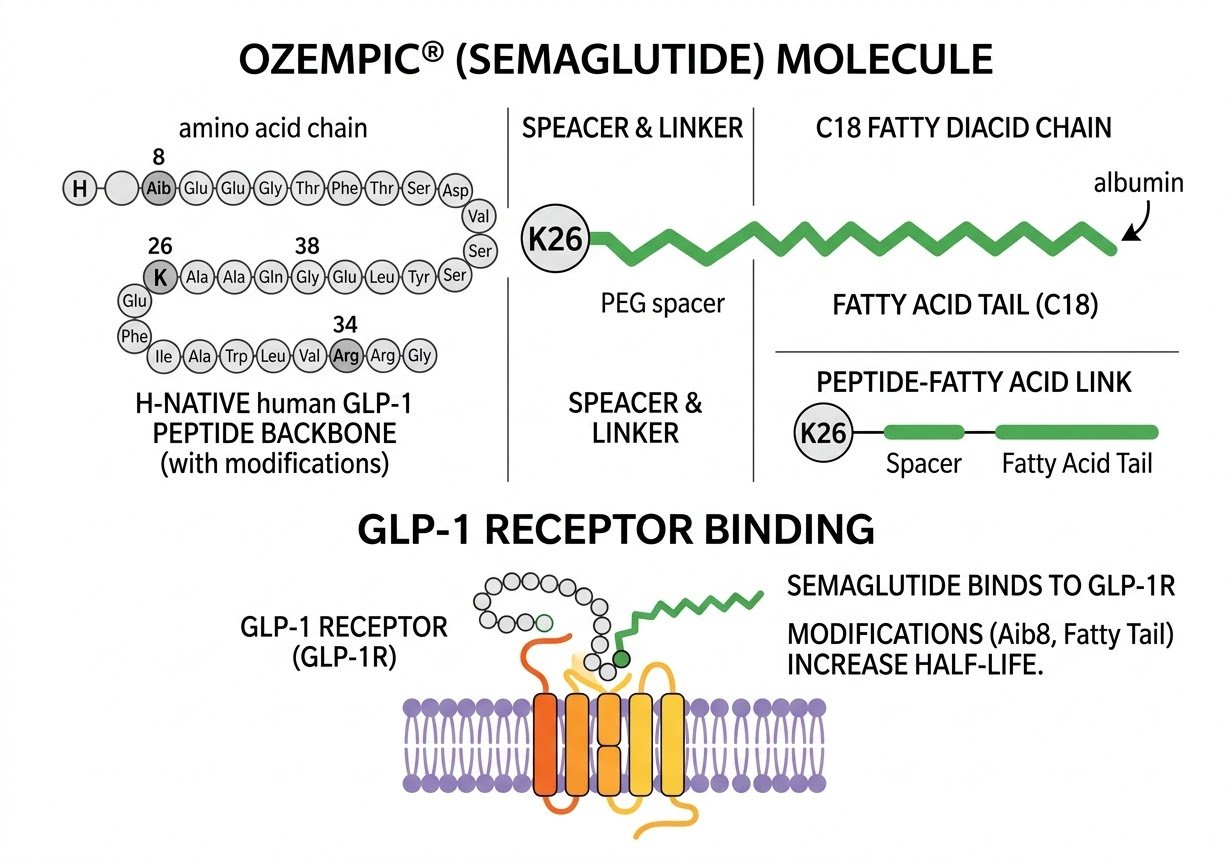
Ozempic binds to GLP-1 receptors as if it is a natural molecule.
One of the oldest and most respected portion-control programs built around this principle is 80Bites. This structured 12-step system focuses not on what you eat, but on how much you eat. Instead of obsessing over every calorie or following complicated food rules, 80Bites teaches you to count bites and monitor portion sizes using a dedicated app and guided curriculum. The program is designed to gradually reset your internal fullness meter, helping your stomach, digestive system, and brain learn to recognize true satiety. By consistently reducing meal size and retraining your body, 80Bites not only calms appetite but also quiets the constant mental noise and cravings that can make dieting so difficult.
In that sense, 80Bites functions as a true natural Ozempic. Rather than relying on weekly injections or external substances to manage hunger, it empowers you to retrain your own biology so that smaller portions feel natural, sustainable, and genuinely satisfying. For those who are already taking GLP‑1 drugs, 80Bites acts as a complementary support system. It reinforces fullness cues, helps maintain the results achieved with medication, and reduces the risk of overeating between doses, making appetite control more consistent and long-lasting.
If you’re interested in 80Bites, you can purchase it here.